
Why Regular Water Tank Cleaning is Vital for Your Family's Health
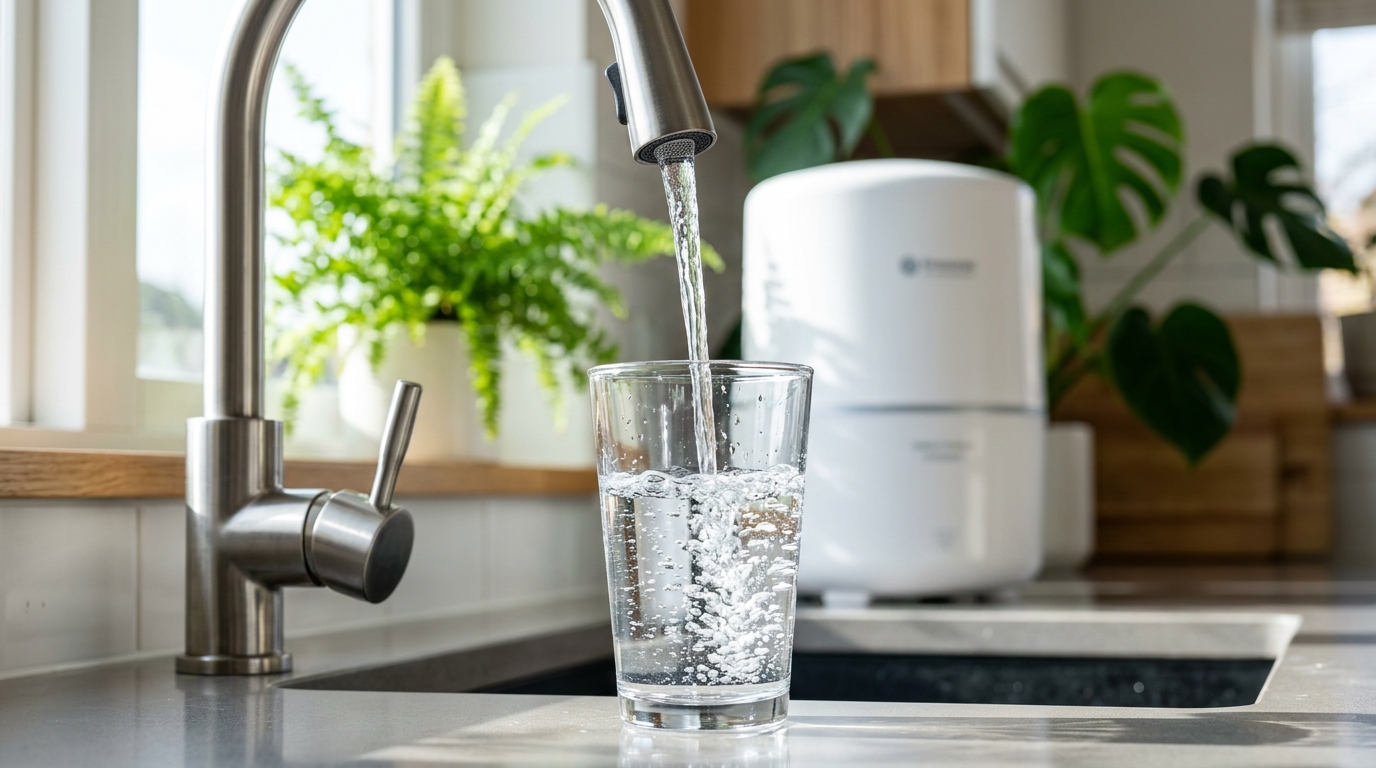
When you turn on your kitchen tap or shower, you expect clean, refreshing water. Most homeowners in Hyderabad invest in kitchen RO water purifiers, assuming that suffices for family health. However, over 80% of domestic water consumption—including bathing, brushing teeth, washing vegetables, washing cooking utensils, and laundry—flows straight from your overhead storage tank or underground sump without passing through an RO filter.
If your water storage tank has not been professionally sanitized in the last six months, that sparkling water coming from your faucets may be carrying millions of invisible bacteria, microbial cysts, and dissolved chemical sediments.
The Hidden Ecosystem Inside an Uncleaned Water Tank
Water tanks in Hyderabad are exposed to high temperatures, airborne dust, and variable municipal and borewell water qualities. Within 90 to 120 days of sitting undisturbed, three dangerous layers naturally form inside:
- Bottom Sludge & Silt: Heavy sand particles, iron oxides, and colloidal clay settle at the base, forming a dense mud blanket.
- Bacterial Biofilm: A slimy layer of microorganisms adheres tightly to the tank walls, protecting bacteria from low residual chlorine levels.
- Algal Bloom & Scum: Sunlight penetrating translucent plastic tanks accelerates green and brown algae, generating organic waste that feeds coliform colonies.
Health Alert: Biofilm Protection Mechanism
Biofilms act as microscopic shields for bacteria. Ordinary municipal chlorine cannot penetrate mature biofilms without high-pressure mechanized jet scouring and UV germicidal exposure.
Top 5 Health Hazards of Neglected Water Storage
1. Waterborne Gastrointestinal Infections
Contaminated water is the leading carrier of Escherichia coli (E. coli), Salmonella, and Giardia lamblia. Ingesting even small quantities—such as while brushing teeth or rinsing salad greens—can lead to chronic diarrhea, stomach cramps, dysentery, and typhoid fever, particularly in young children and senior citizens.
2. Severe Skin Conditions, Eczema, and Dermatitis
Bathing in water contaminated with algae and fungal spores strips natural oils from your skin and clogs pores with mineral sediments. Dermatologists across Hyderabad frequently link sudden flare-ups of contact dermatitis, psoriasis, and unexplained body rashes to dirty overhead tanks.
3. Excessive Hair Fall & Scalp Infections
High sediment buildup combined with bacterial scum creates an acidic or hard mineral imbalance in tank water. Washing your hair with this water weakens follicle roots, causes dandruff and fungal scalp irritation, and leads to noticeable hair thinning.
4. Eye Irritations & Conjunctivitis
Splashing face with stagnant tank water introduces microbial pathogens directly into the conjunctiva, causing redness, burning sensation, and recurrent bacterial eye infections.
5. Mosquito Breeding & Dengue/Malaria Outbreaks
Loose, cracked, or improperly sealed tank lids create prime breeding environments for Aedes mosquitoes, the primary vectors for Dengue and Chikungunya fevers in Hyderabad residential colonies.
Why Hyderabad's Water Dynamic Accelerates Contamination
Hyderabad households rely on a combination of HMWSSB piped supply (from Krishna and Godavari/Manjeera projects), private water tankers, and deep borewells.
During summer months, when water supply is alternated, tanks frequently run dry and refill, stirring up dormant bottom sediments. In monsoons, storm runoff can seep through microscopic cracks in underground concrete sumps, drastically spiking fecal coliform levels.
Traditional Cleaning vs. Mechanized 6-Stage Sanitation
Hiring an untrained manual laborer with a broom and harsh bleaching powder does more harm than good:
- Traditional brooms cannot scrape sticky bacterial biofilms off tank walls.
- Excess chemical bleach leaves caustic residues and foul chemical odors that ruin drinking water.
- Untrained entry can physically damage tank float valves and PVC liners.
In contrast, Yamuna's 6-Stage Mechanized Protocol employs German high-pressure rotary wands (150+ bar), industrial slurry extraction vacuums, eco-friendly antibacterial mists, and hospital-grade UV-C germicidal radiation lamps that achieve a 99.9% pathogen kill rate with zero chemical smell.
Immediate Action Checklist
Check your water tank today: If you notice yellowish tap water, floating black flecks, or earthy tap odors, schedule a mechanized cleaning before bacterial colonies multiply.
Conclusion: Protect Your Loved Ones Today
Clean water is not an expense—it is your family's first line of defense against chronic illness. Having your residential overhead tanks and underground sumps sanitized every 4 to 6 months ensures safe, pure water for cooking, bathing, and living.